Melody Notes: A Playful Dingbats Font for Makers
The morning light hits my desk just right as I open my design software, ready to tackle a batch of custom candle labels for a local boutique. The client wants something whimsical but clean, a look that says "hand-poured with love" without feeling cluttered. I scroll through my library of fonts, bypassing the usual scripts and serifs, until I land on Melody Notes. This isn't just a standard alphabet; it is a cool dingbats font that instantly transforms simple text into a visual rhythm. As I type out the scent names like "Lavender Dream" and "Citrus Burst," the characters pop onto the screen with a musical charm that feels entirely unique. It is in moments like these, preparing real products for real shelves, that you realize how much the right typeface can elevate a handmade item from ordinary to extraordinary.
Bringing Visual Rhythm to Handmade Labels
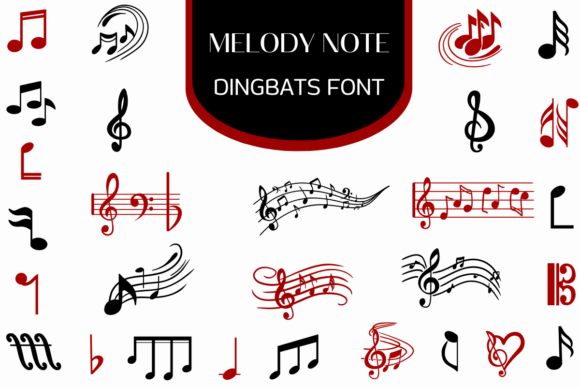
Using Melody Notes feels less like typing and more like composing a little tune for your product packaging. Because it falls under the dingbats category, each character carries a distinct personality, often incorporating musical elements or playful shapes that standard fonts lack. When I applied this font to the candle labels, the result was immediate eye candy. The font works exceptionally well for short phrases, product names, and decorative wording where you want to capture attention quickly. It adds a layer of brand identity that feels curated and thoughtful.
For makers selling at craft fairs or through online shops, presentation is everything. A simple kraft paper tag can feel premium when stamped or printed with a distinctive display font like this. I recently tested it on some boutique clothing tags, pairing the playful glyphs with a minimal sans serif font for the care instructions. The contrast was striking; the Melody Notes drew the eye to the brand name, while the clean secondary text ensured readability. This kind of font pairing is essential for maintaining professionalism while showcasing creativity. It tells the customer that you care about the details, from the stitch on the hem to the letter on the tag.
Versatility Across Stationery and Digital Downloads
Beyond physical packaging, this creative font shines in the world of stationery and digital printables. Imagine designing a set of birthday invitations where the guest names are written in Melody Notes. The playful nature of the glyphs adds a celebratory mood before the guest even opens the envelope. It is perfect for wedding welcome boards, too, offering a modern twist on traditional calligraphy. Since it acts as a dingbats set, you can use individual characters as bullet points or decorative dividers in planner pages and journal inserts, adding a cohesive theme throughout the document.
For those of us creating digital downloads for Etsy or creative marketplaces, versatility is key. Melody Notes adapts beautifully to printable wall art, especially for nurseries or music rooms where the thematic connection is obvious. I also found it incredibly useful for designing sticker sheets. When cut with a Cricut or Silhouette, the bold lines of the font hold up well, even on smaller decals. However, a word of advice for fellow makers: always test your cut settings. Because dingbat fonts can have intricate details, ensuring your blade is sharp and your material is suitable prevents those tiny musical notes from tearing during the weeding process.
Enhancing Product Perception and Emotional Appeal
The choice of typography directly influences how a customer perceives the quality of your work. A generic font might make a hand-poured soap look mass-produced, but a unique premium font signals artisanal quality. Melody Notes brings a sense of joy and playfulness that resonates emotionally with buyers. It suggests that the maker is approachable and fun, which is a powerful trait for small business owners trying to build a loyal community. Whether it is on a tote bag design, a mug wrap, or a seasonal holiday card, the font injects energy into the static image.
When using Melody Notes for longer text blocks, caution is advised. Like many display-type dingbats, it is best reserved for headlines, titles, and accent text. For body copy, such as ingredient lists or long descriptions on a website, pair it with a highly readable serif font or a neutral handwritten font that doesn't compete for attention. This balance ensures your packaging design remains functional while still being aesthetically pleasing. Remember, the goal is to guide the customer's eye, not overwhelm it.
Practical Tips for Commercial Use and Licensing
Before you start uploading your new designs to your shop, it is crucial to check the licensing terms associated with Melody Notes. As a commercial font, it likely comes with specific guidelines regarding how many physical items you can sell or if it can be used in digital templates for others to edit. Always verify if the license covers unlimited physical goods or if there is a cap. Additionally, check for included features like alternates, ligatures, or swashes. These hidden gems can add variety to your designs, allowing you to create unique logos or monograms without needing multiple font files.
File formats matter too. Ensure you have the right versions for your workflow. If you are designing in Adobe Illustrator for vector-based cutting files, the OTF or TTF versions are ideal. For web design or social media graphics, ensure the font renders clearly at various sizes. Multilingual support is another factor to consider if you plan to sell internationally; check if the font includes extended character sets to accommodate different languages.
In the end, tools like Melody Notes are more than just digital files; they are partners in your creative process. They help translate the vibe in your head into something tangible that customers can hold and enjoy. Whether you are labeling jars of honey, designing a line of greeting cards, or creating a new logo for your bakery, letting this typeface lead the way can unlock new levels of creativity. So, fire up your design software, experiment with some font pairing, and let the melody of your brand play out across your products. The results might just surprise you, turning a simple Tuesday morning design session into the launch of your best-selling collection yet.